
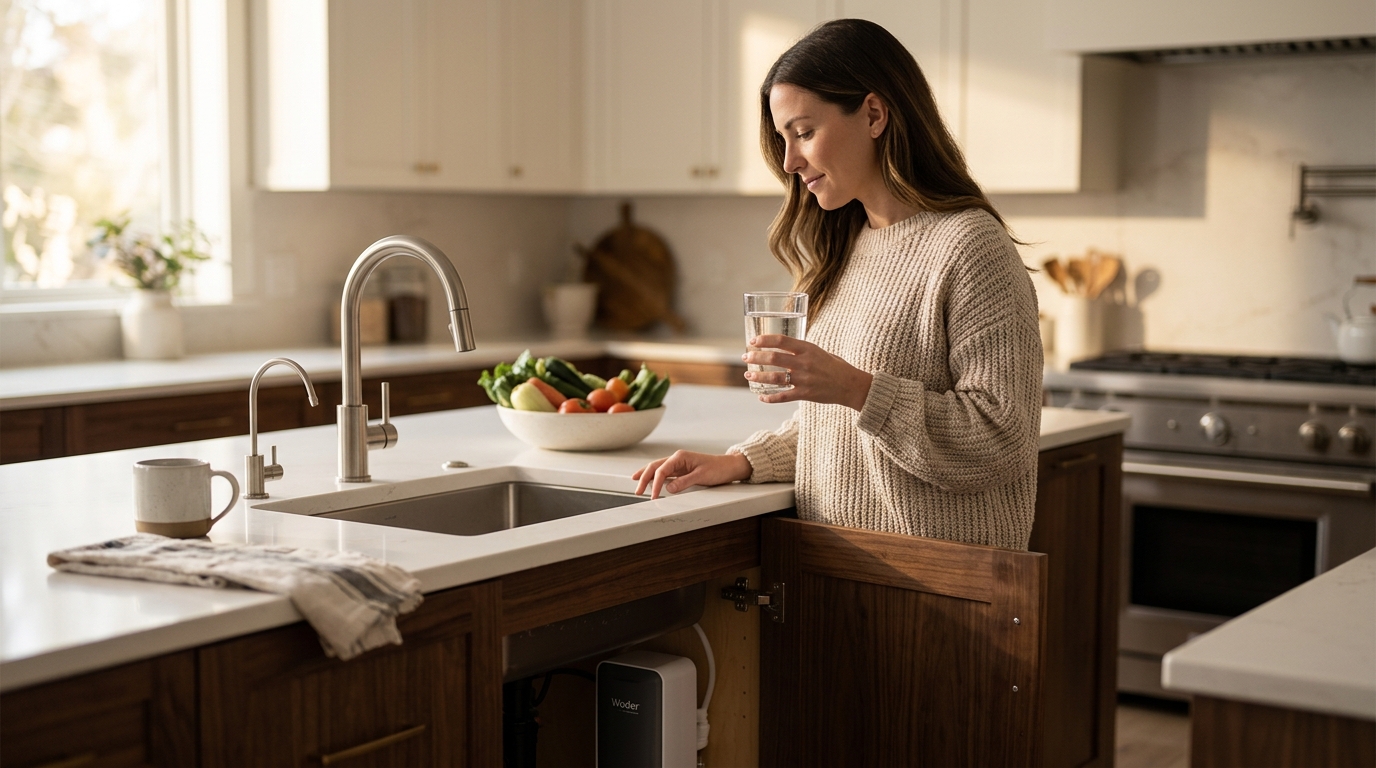
Modern municipal water systems deliver treated water to millions of households daily, yet laboratory analyses consistently reveal residual contaminants that standard treatment processes cannot fully eliminate. According to the Environmental Protection Agency, over 250 million Americans rely on public water systems that occasionally exceed safety thresholds for lead, PFAS, and industrial runoff. Selecting the correct filtration system requires understanding your specific municipal water profile, household flow requirements, and long-term maintenance preferences. This guide breaks down the exact variables you must evaluate before purchasing an under sink or inline water filter. (Getting Your Water) (Contact us Woder)
Understanding Your Water Contaminants
Identifying the exact pollutants in your supply dictates which filtration media will perform effectively. Municipal treatment plants prioritize pathogen elimination, but they rarely remove dissolved industrial chemicals or heavy metals. You must request a local water quality report to determine your baseline contaminant load. (About Us Woder)
Lead and Heavy Metals
Lead contamination typically originates from aging service lines or outdated household plumbing fixtures. Lead is a toxic heavy metal that accumulates in human tissue and causes neurological damage over prolonged exposure. Advanced selective filtration media targets these dense metallic ions without stripping beneficial calcium or magnesium. You should verify that your chosen system explicitly lists lead removal capabilities. (The Woder Blog Woder)
PFAS and Chemical Residues
Per- and polyfluoroalkyl substances persist in groundwater supplies across multiple regions due to industrial manufacturing and firefighting foam runoff. PFAS refers to a large family of synthetic chemicals that resist environmental degradation and bioaccumulate in human blood. Modern granular activated carbon and specialized resin blends capture these compounds at microscopic levels. Always confirm that your filter meets current EPA health advisory standards for these persistent chemicals. (Your Cart Woder)
Chlorine and Organic Compounds
Water treatment facilities add chlorine to prevent bacterial growth during distribution, but residual disinfectants create unpleasant tastes and odors. Chlorine is a reactive halogen gas that oxidizes organic matter and damages rubber seals in household appliances. Standard carbon block filters neutralize these compounds while preserving water pH balance. You should prioritize filters that explicitly list chlorine reduction alongside volatile organic compounds. (Drinking Water Chlorination)
Selective Filtration vs Reverse Osmosis
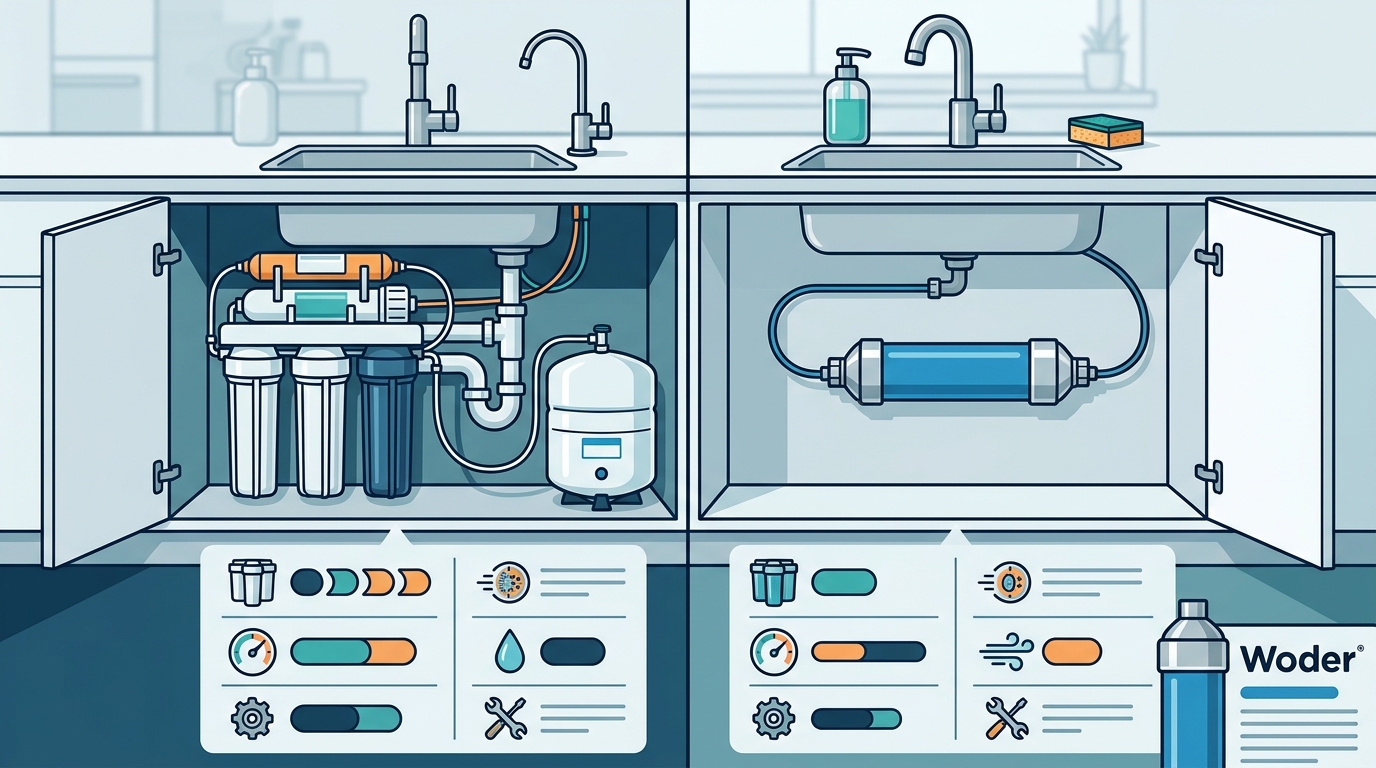
Homeowners frequently debate between traditional reverse osmosis systems and newer selective filtration technologies. The core difference lies in how each system handles dissolved solids and essential minerals.
Mineral Retention Mechanics
Reverse osmosis forces water through a semi-permeable membrane that blocks nearly all dissolved substances, including beneficial trace minerals. Selective filtration is a proprietary membrane technology that attracts specific contaminants while allowing essential minerals to pass through naturally. This approach preserves the natural mineral composition that municipal water suppliers originally intended. You will notice improved taste and better hydration when consuming water that retains its original mineral balance. (Fouling of Reverse)
Filtration Efficiency Standards
Modern selective membranes achieve removal rates exceeding ninety-nine percent for targeted contaminants. These systems operate at standard household water pressure without requiring a storage tank or electric pump. You gain consistent flow rates while maintaining rigorous contaminant rejection standards. Always verify that your selected system carries independent laboratory certification for your specific contaminant targets.
Installation Options and Flow Rates
Your kitchen layout and daily water usage patterns determine whether an under sink or inline system suits your household best.
Under Sink Systems
Under sink water filters mount directly beneath your kitchen faucet and connect to the existing cold water supply line. These units typically feature multi-stage filtration cartridges that maximize contaminant contact time. You benefit from dedicated faucet installations that separate filtered water from unfiltered tap water. Standard models deliver between two to four gallons per minute, which accommodates most household cooking and drinking needs.
Inline Filtration Units
Inline water filters attach directly to your existing faucet or refrigerator water line without requiring a separate faucet installation. These compact units integrate seamlessly into tight cabinet spaces while maintaining standard faucet aerator compatibility. You gain rapid installation capabilities without modifying your existing plumbing infrastructure. Inline systems typically deliver slightly lower flow rates but remain highly effective for basic drinking water applications.
Maintenance Cycles and Replacement Costs
Long-term filtration performance depends entirely on consistent cartridge replacement and proper disposal protocols.
Cartridge Lifespan Expectations
Most residential filtration cartridges require replacement every six to twelve months depending on your local water quality and household size. Replacement cartridges utilize specialized resin blends and activated carbon that saturate over time. You must track your usage volume to prevent breakthrough contamination. Modern systems include digital flow meters that automatically notify you when replacement is due.
Disposal Protocols
Used filtration cartridges contain concentrated contaminants that require careful handling before disposal. Green disposal protocols involve rinsing spent cartridges and returning them to certified recycling programs. You should never discard saturated filters in standard household trash bins. Manufacturers often provide prepaid shipping labels to simplify the recycling process.
Comparing Top Filter Technologies
| Filter Type | Contaminant Removal | Mineral Retention | Installation Complexity | Best Use Case |
|---|---|---|---|---|
| Under Sink Selective | Lead, PFAS, Chlorine | High | Moderate | Dedicated faucet systems |
| Inline Carbon Block | Chlorine, Sediment | Medium | Low | Refrigerator connections |
| Reverse Osmosis | Heavy Metals, Arsenic | Low | High | Industrial-grade purification |
| Lab-Tested Custom | Site-Specific Pollutants | Variable | Moderate | Municipal water testing |
Key Takeaways
- Selective filtration removes ninety-nine point nine percent of targeted contaminants while preserving essential minerals.
- Under sink systems deliver higher flow rates compared to inline refrigerator connections.
- Reverse osmosis systems strip beneficial minerals and require storage tanks for adequate pressure.
- Regular cartridge replacement prevents contaminant breakthrough and maintains filtration efficiency.
- Local water quality reports dictate which specific filtration media will perform effectively.
- Green disposal protocols ensure saturated filters are recycled rather than landfilled.
- Independent laboratory testing validates system performance against municipal water standards.
Frequently Asked Questions
How do I know which filter removes PFAS?
You must verify that the filter explicitly lists PFAS reduction on its certification documentation. Modern granular activated carbon and specialized resin blends capture these persistent chemicals effectively. Always request third-party laboratory test results before purchasing.
Can selective filtration replace reverse osmosis?
Selective filtration replaces reverse osmosis for most residential applications by preserving beneficial minerals while rejecting harmful contaminants. You gain higher flow rates and zero wastewater disposal during operation. The technology eliminates the need for bulky storage tanks.
How often should I replace my filter cartridge?
You should replace your filter cartridge every six to twelve months depending on your local water quality and household usage. Digital flow meters automatically track usage volume and notify you when replacement is required. Delayed replacements allow contaminants to bypass the filtration media.
Do inline filters affect my refrigerator water dispenser?
Inline filters connect directly to your refrigerator water line without affecting standard dispenser flow rates. You gain rapid installation capabilities while maintaining consistent water pressure. Always verify that your specific refrigerator model supports inline filter attachments.
Is lab water testing necessary before purchasing?
Lab water testing is necessary when your municipal water report indicates elevated contaminant levels or aging infrastructure. You receive precise chemical breakdowns that dictate which filtration media will perform effectively. Custom testing ensures you purchase the exact system your household requires.
What happens to used filter cartridges?
Used filter cartridges contain concentrated contaminants that require careful handling before disposal. You should rinse spent cartridges and utilize manufacturer recycling programs to prevent environmental contamination. Green disposal protocols ensure saturated filters are processed responsibly.
How does selective filtration preserve minerals?
Selective filtration preserves minerals by utilizing specialized membrane technology that targets specific contaminants while allowing beneficial ions to pass through naturally. You retain calcium, magnesium, and potassium that support human hydration. The process eliminates the mineral stripping associated with reverse osmosis.
Final Recommendation and Next Steps
Choosing the correct water filtration system requires evaluating your municipal water report, household flow requirements, and long-term maintenance preferences. You should prioritize systems that utilize advanced selective filtration technology to remove contaminants while preserving essential minerals. Modern under sink and inline options deliver reliable performance without compromising water pressure or requiring complex installations. Visit our complete product catalog to compare specifications, review laboratory test results, and select the exact system that matches your household needs. Explore our full range of certified water filters today.